The Strategy: Slow Down to See More
The biggest mistake I see? Trying to do "The North" and "The South" and "The City" all in ten days. Cue the deer-in-headlights look when you realize you've spent 30% of your trip in airports.
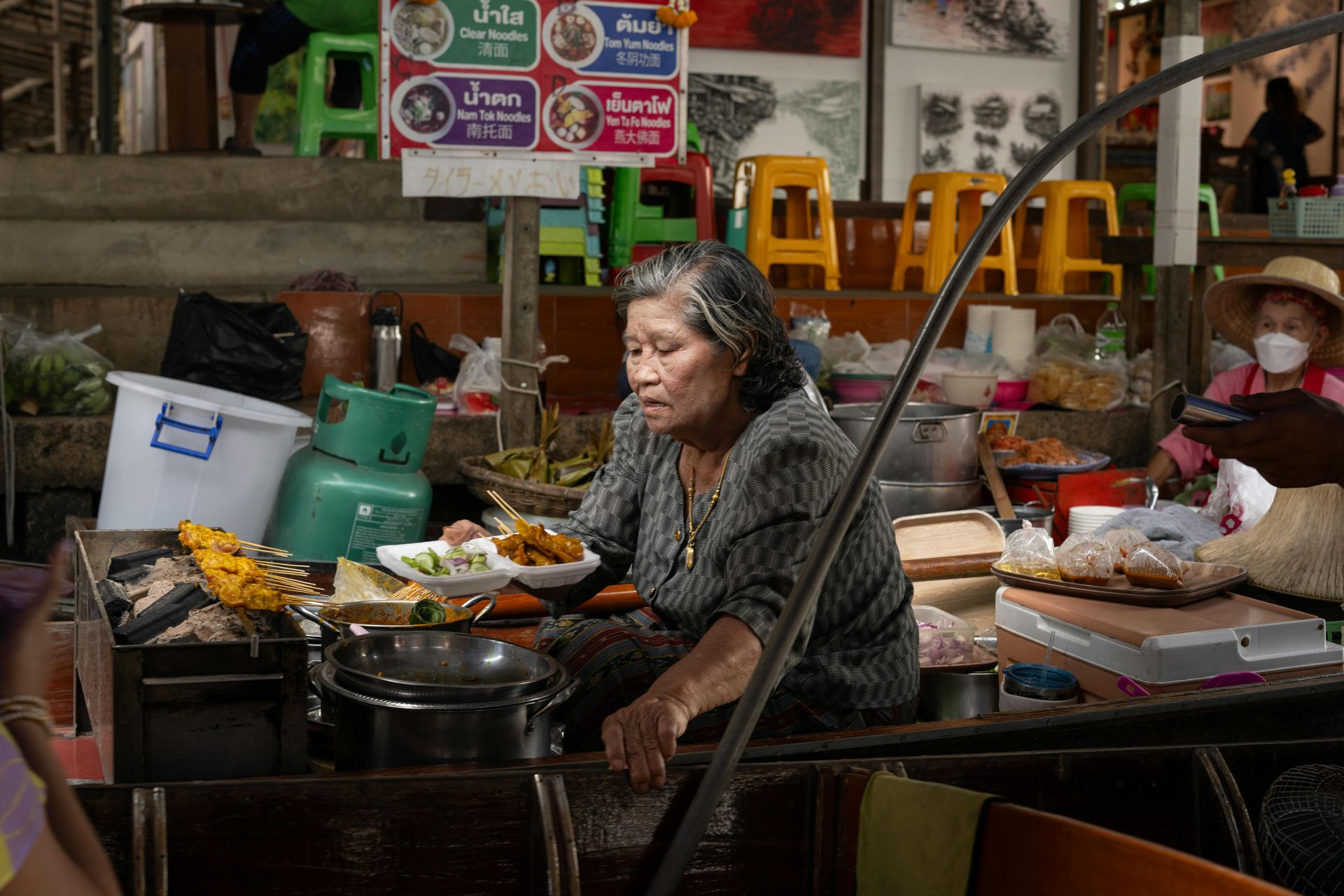
To find the authentic rhythms, you have to stay put. For a 21-day trip, I recommend picking exactly three bases. That’s it. By staying a full week (or close to it) in one spot, you stop being a "visitor" and start becoming a "neighbor." You’ll start recognizing the lady who sells the best patongo (Thai donuts) in the morning. You’ll find the quiet alleyway that leads to a 200-year-old teak temple that isn't on any "Top 10" list.
Timing the "Shoulder"
If you want deep cultural access, avoid the peak-season crowds (December to February). Not only do prices skyrocket, but the sheer volume of people creates a barrier between you and the locals. I’m a huge fan of the shoulder seasons, think April/May or September/October. Yes, you might get a tropical downpour, but those rains bring the lush landscapes to life, and more importantly, they clear out the crowds. You’ll have the space to actually talk to the artisan weaving your silk scarf rather than just being another body in a shop.
Ditch the "Luxury" Resort for the Family-Run Guesthouse
Don’t get me wrong, I love a high-thread-count sheet as much as the next person. But if you spend your whole trip in a generic international luxury hotel, you could be anywhere. You’re effectively insulating yourself from the very culture you flew 8,000 miles to see.
Instead, look for high-end, family-run boutique guesthouses. These are often restored historic homes where the owners are deeply integrated into the community.
- The Difference: In a resort, the concierge gives you a brochure. In a guesthouse, the owner might tell you, "My cousin is performing a traditional dance at the village shrine tonight; do you want to come?"
- The Impact: Your money stays directly in the community. No "greenwashing" here, just direct economic support for local families and heritage preservation.
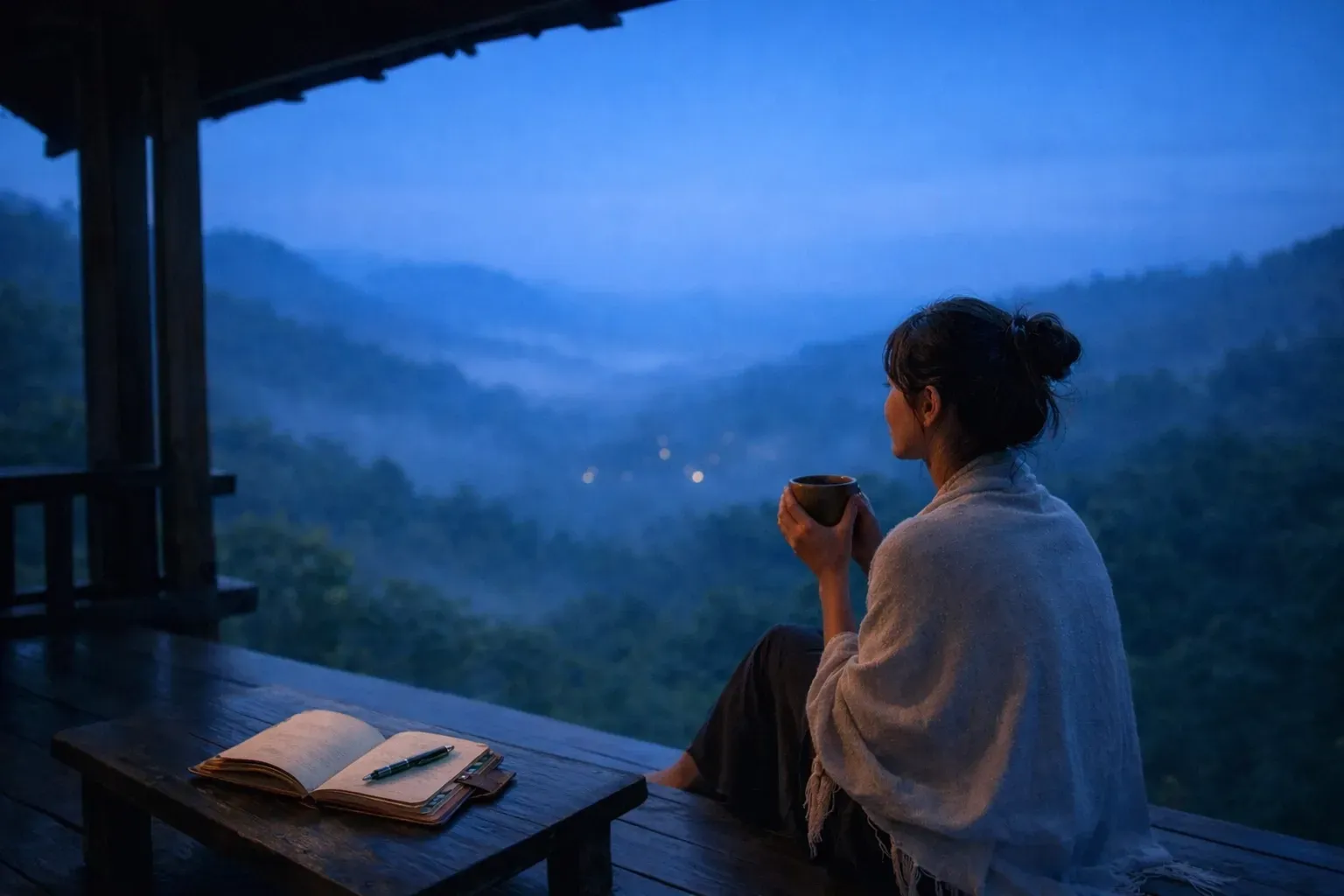
Trust me, waking up to the sound of a distant temple bell and the smell of a home-cooked regional breakfast is worth more than any pillow menu. If you’re curious about what to expect on your first trip, check out my Thailand travel FAQs.

Days 1–8: The Artisan Heart of the North
Most people fly into Chiang Mai, see the big temples, go to the famous Sunday Walking Street, and leave. We’re going deeper. Use Chiang Mai as a base, but head out into the surrounding villages.
I recommend spending a day with a local textile expert. Northern Thailand is famous for its intricate weaving traditions. Instead of buying a mass-produced sarong, sit with a master weaver in a village like Baan Pa Pong Piang. Learn about the natural dyes made from insects and tree bark. When you see the days of labor that go into a single foot of fabric, your "souvenir" becomes a story of human connection and skill.
And please, let’s talk about elephants. If an experience involves elephants performing or being ridden, skip it. It’s a tourist trap and, frankly, unethical. Instead, look for sanctuaries that focus purely on observation and rehabilitation. You’ll spend your afternoon watching these giants simply be elephants in the forest. It’s quiet, it’s respectful, and it’s far more moving than a circus act.
Days 9–15: The Southern Soul (Beyond the Beach)
Next, we head south, but not to the neon-lit party strips. We’re looking for the beach and island vacations that still feel like real places.
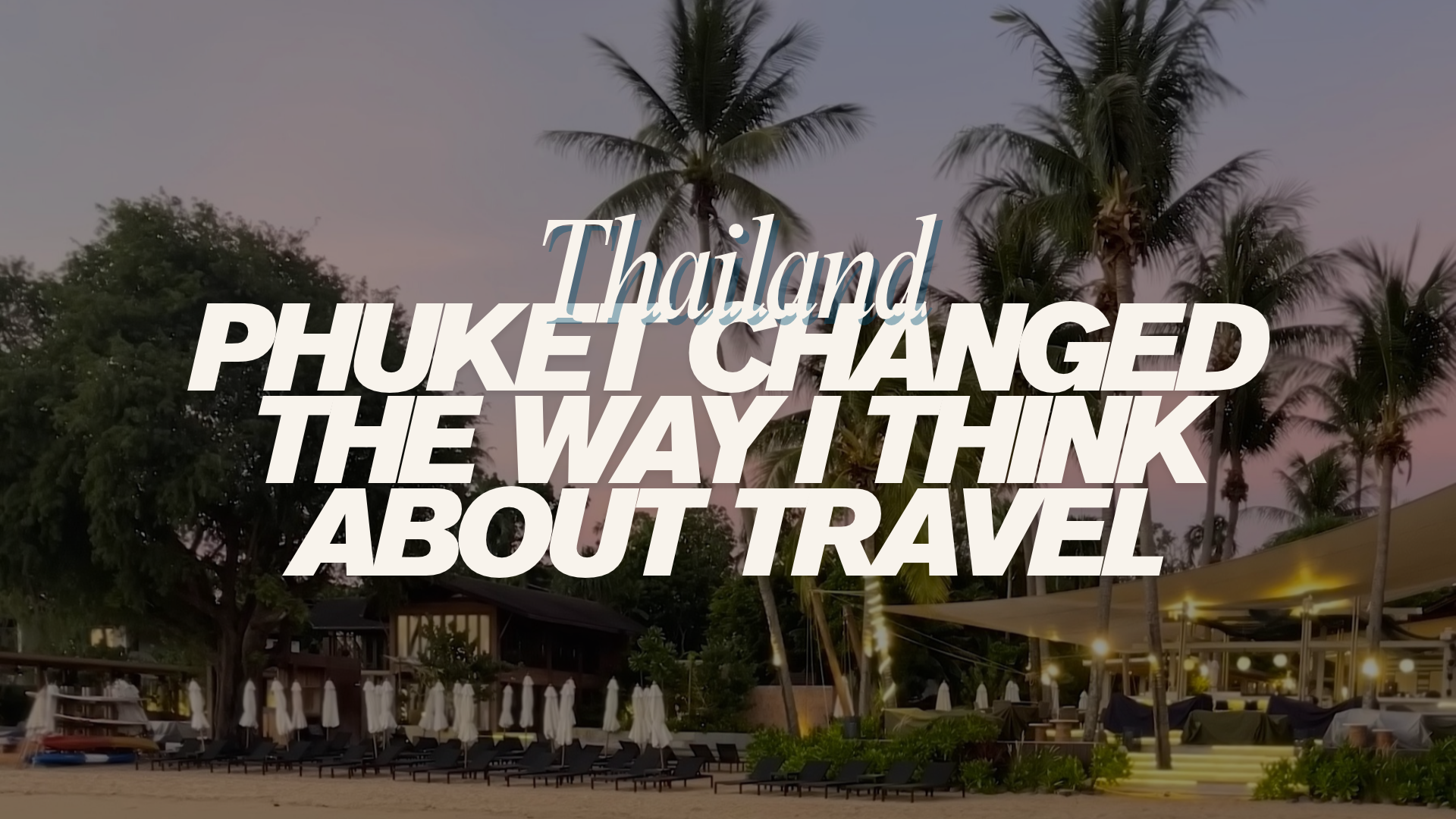
Phuket actually has a stunning historic center: Phuket Old Town: that most sun-seekers completely ignore. The Sino-Portuguese architecture is gorgeous, but the real magic is in the kitchens. I love connecting my clients with local women in the Thalang area for a hands-on curry paste-making session.
You’ll spend some time pounding lemongrass, galangal, and fresh chilies in a heavy stone mortar. It’s exhausting, it’s aromatic, and it’s a masterclass in the patience required for Thai cuisine. It's not all about eating; but participating in a daily ritual that has sustained these families for generations.
Days 16–21: Bangkok’s Watery History
We finish in Bangkok, but we’re avoiding the gridlock. The soul of this city isn't in its malls; it's in its khlongs (canals).
Take a long-tail boat, but hire an ethical, local-led guide who can take you into the "backstory" of the waterways. You’ll pass wooden stilt houses where grandmothers are drying laundry and kids are jumping into the water. It’s a glimpse into the "Venice of the East" as it used to be.
While you're in the capital, dive into the art and culture scene. There are 100s of smaller, community-run galleries or visit the Museum of Contemporary Art (MOCA BANGKOK) to see how contemporary Thai artists are navigating the tension between tradition and modernity. It adds a layer of intellectual depth to your trip that a standard sightseeing tour just can't touch.
Why a "Local Fixer" is Your Best Friend
You’re a busy professional. You have the budget, but you don't have the time to spend 40 hours researching whether a specific ferry in the shoulder season is reliable. This is where a "local fixer" or an expert travel advisor comes in.
At Kincurio Travel, I don't just book hotels; I bridge the gap. I find the guides who aren't just reciting facts from a script but are sharing their lives with you. I handle the logistics: the visas, the transport, the "how do I say I'm allergic to peanuts in Thai?" so you can focus on the experiences.
What You Actually Bring Home
The travelers I work with don't worry about missing a beach or skipping a temple. What they worry about, quietly, is coming home with a thousand photos and not quite being able to explain what any of it meant. Everything blurs when you move too fast — the flavors, the faces, the moments that felt significant at the time.
A 21-day trip through Thailand doesn't have to work that way. When you slow down enough to actually be somewhere, things have room to settle. You remember the conversation, not just the view. You come back changed in ways that are harder to photograph but easier to carry.
Ready to plan your own deep dive?
If you're tired of the generic travel tropes and want a trip that actually reflects your values, let’s chat. I specialize in experiences that prioritize cultural respect, sustainability, and personal transformation.
Whether you're looking for a wellness and self-care retreat or a deep dive into Thailand's hidden corners, I'm here to make sure your 21 days aren't just a vacation: they're a worldview shift.
After all, the best souvenir isn't something you put on a shelf. It’s the person you become along the way.